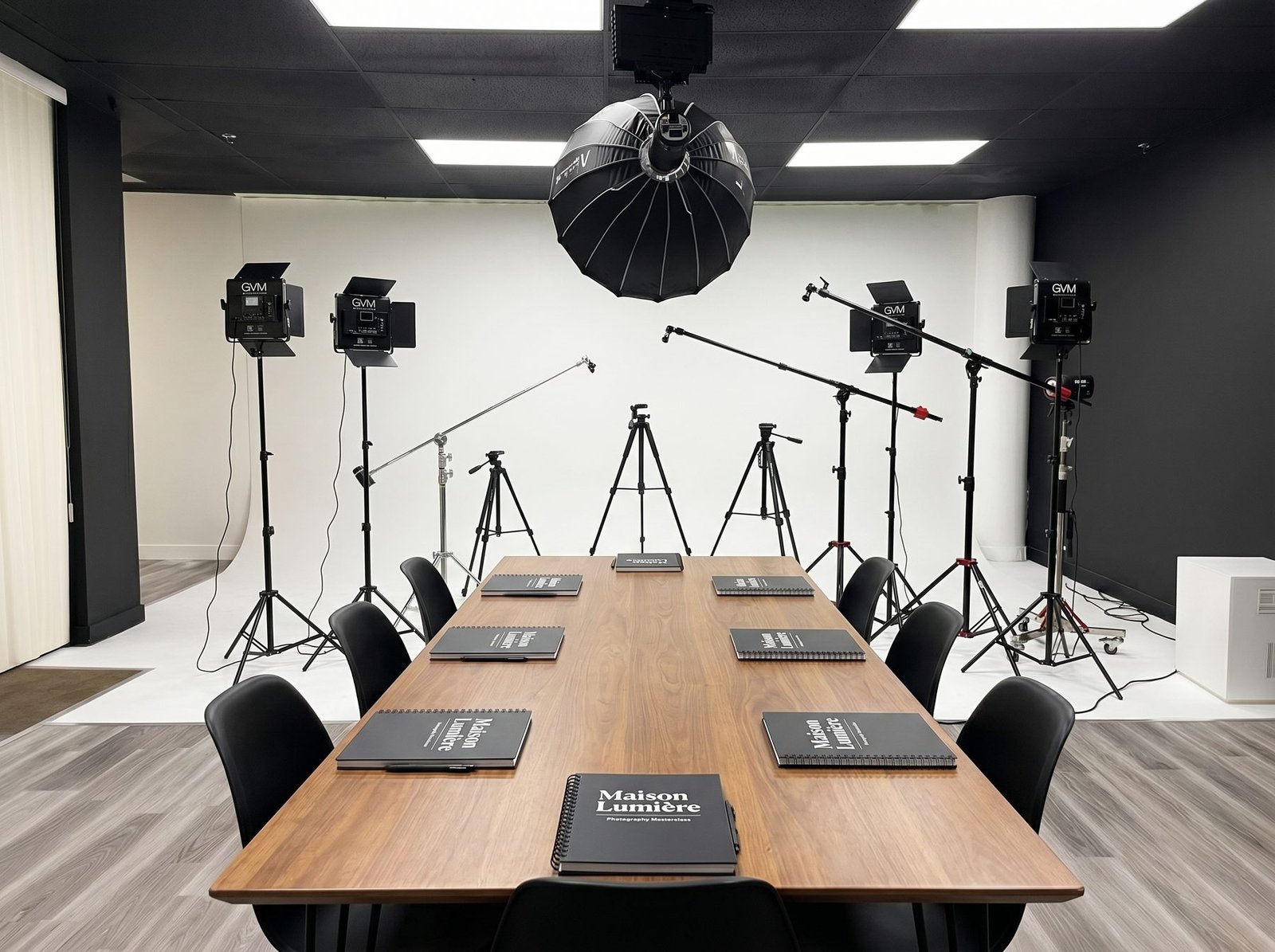
Lighting is the foundation of every great photograph. Whether you're shooting portraits, products, fashion, or commercial campaigns, light quality has more impact on your final image than almost any camera upgrade.
One of the most common questions creators ask is simple: should I use natural light or studio flash? The answer is not one-size-fits-all. Each approach has specific strengths, and the best professionals know how to use both based on project goals.
Understanding Natural Light
Natural light refers to sunlight entering through windows or outdoor daylight conditions. It can produce organic, soft images that feel honest and timeless. Many clients love this look for lifestyle and personal branding work.
Advantages of natural light
- Soft, flattering quality for portraits and branding sessions
- Lower setup complexity for quick productions
- Natural aesthetic often preferred for social content
- Fast start when daylight is already ideal
Limitations of natural light
- Unpredictable due to weather and cloud movement
- Limited prime shooting windows, especially in winter
- Less control over direction and consistency
- Harder to match looks across multiple shooting days
Understanding Studio Flash
Studio flash and continuous lighting give full control over scene lighting. You decide intensity, angle, shadow depth, and color balance. This is why commercial and product teams depend heavily on controlled light setups.
Advantages of studio flash
- Complete control over brightness, contrast, and direction
- Consistent results across long sessions and multiple days
- Works any time, regardless of weather or daylight hours
- Ideal for campaigns, e-commerce, and catalog production
- Supports dramatic, high-key, low-key, and editorial looks
Limitations of studio flash
- Requires technical familiarity with gear and modifiers
- Takes setup time, especially for complex scenes
- Can feel intimidating to beginners without guidance
Which Is Better for Your Project Type?
Portraits and headshots
Natural light can feel relaxed and authentic. Studio flash is preferred when you need repeatable results across many subjects, such as team headshots and actor sessions.
Product photography
Studio flash usually wins. Product work requires controlled reflections, accurate color, and consistent shadow behavior. Controlled lighting saves time in post-production and keeps catalog imagery cohesive.
Social media content
Both can work. Lifestyle creators may prefer natural light for spontaneity, while premium brands often use studio flash for polished campaign visuals. The strongest content plans combine both based on objective.
Video and mixed media shoots
If you're producing stills and video in one session, controlled lighting helps maintain visual continuity. Many teams use daylight as a base and then add studio lighting to shape the final look.
Can You Combine Natural Light and Flash?
Absolutely. Hybrid setups are common in professional studios. A practical method is to use window light as your key and add soft fill or rim lighting to recover shadows and add separation from the background.
This method keeps the organic character of natural light while giving you more precision and consistency.
A Simple Decision Framework
Use this checklist before your shoot:
- Do you need exact consistency across many images?
- Will the shoot run for several hours or multiple sessions?
- Is your deliverable commercial, catalog, or ad-focused?
- Do you want an organic look or a polished campaign feel?
- Does your team have time for technical setup and testing?
If consistency and control are essential, choose studio lighting. If speed and natural mood are priority, start with daylight. For many projects, hybrid is the smartest approach.
Why Maison Lumiere Supports Both
At Maison Lumiere, creators can work with large natural-light windows and professional lighting equipment in the same studio environment. This flexibility allows photographers, brands, and production teams to adapt quickly as creative direction evolves.
Whether your project calls for soft daylight portraits, controlled flash product shots, or mixed campaign production, the studio setup can support your workflow efficiently.
Frequently Asked Questions
Is natural light always better for portraits?
Not always. Natural light can be beautiful, but studio light gives consistency and repeatability, which is important for professional portrait sets.
Do I need expensive flash gear for good results?
No. Start with a simple setup and strong modifiers. Good light placement and control matter more than expensive hardware.
Can beginners shoot with flash confidently?
Yes. With a basic understanding of power, distance, and modifiers, studio flash becomes predictable and easy to repeat.
Should brands use natural or studio light for social media?
Both are useful. Use natural light for authenticity and studio lighting when you need polished visuals or strong campaign consistency.
Need Help Choosing the Right Lighting Setup?
Maison Lumiere helps creators and brands build practical lighting plans for portraits, products, reels, and full campaigns. Book the studio or contact our team for project guidance.